
Blog · Review
A real job, end to end: 66 minutes and a few yuan for a RAID reassembly
August 25, 2026 · dshbase · hands-on test
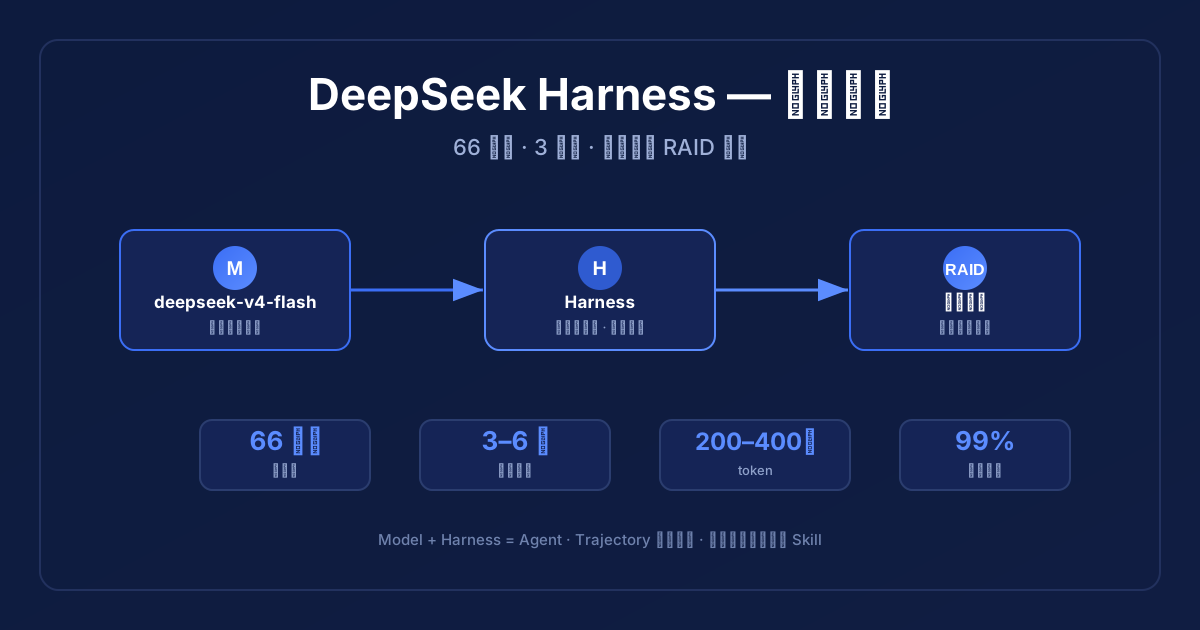
On August 13 DeepSeek open-sourced its first agent framework, DeepSeek Harness (v0.1 developer preview, MIT). The formula is one line: Model + Harness = Agent — the model thinks, the harness actually executes. This note skips the concepts and runs one real workload through it, with numbers.
Install and first run
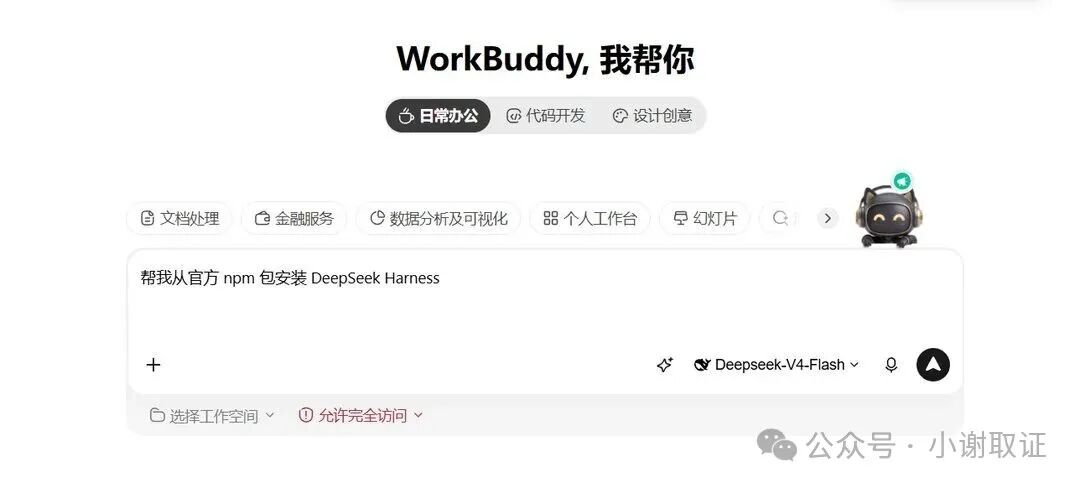
Installation is unremarkable: pull the official npm package and launch the web UI locally with npx — no database, no server to configure, out of the box. You need an API key from the DeepSeek open platform to start, billed per token. Cache hits are the money lever here: re-using the same input segments hits cache and cuts cost, which is exactly why repeated analyses get cheap.
The four modes
Different tasks load different default plugin sets:
- Standard — the full tool combination. Best for everyday dev and general tasks; the most feature-complete.
- PTC (Programmatic Tool Calling) — the model composes multiple tool calls as a single block of code. Best for long call chains; a real token-saver.
- Minimal — just one shell tool and one file editor. For minimal-environment model benchmarks and well-defined small jobs.
- Create — inspect the running runtime, experiment with Cordis plugins in memory, and compose new presets. For advanced, high-trust tinkering.
Practical rule: for long, cost-sensitive tasks prefer PTC, and keep an eye on the cache-hit rate in the corner — the higher it is, the cheaper it gets.
The job: RAID reassembly of a forensic image
Using Standard mode on a forensic evidence folder, the agent was pointed at a RAID reassembly task. The status bar streams inference rounds, per-step timing, and input/output tokens in real time — the whole reasoning process is transparent, which is the most visible difference from an ordinary chatbot. When the same evidence gets re-analysed or similar questions repeat, cache hits make those runs nearly free.
The outcome on deepseek-v4-flash: about 66 minutes total, roughly 2–4 million tokens, and around ¥3–6 spent. A complete RAID-reassembly analysis for pocket change. Two caveats worth flagging: that token volume is normal for deep reasoning plus long tool chains, and after the August 17 price adjustment the same job is expected to land around ¥10–20 — so the cheap window was exactly that.
Trajectory: the part that matters later
Every step — system prompt, tool call, reasoning — lands in a replayable trace. That Trajectory can be replayed for review, branched, or folded straight into a Skill so a successful run becomes a reusable standard operating procedure instead of a one-off. For anyone who will redo the same kind of analysis, that's the quiet killer feature: the working procedure, not just the result.
The takeaway for installers
This is a single real workload, not a general benchmark. What it demonstrates is that the harness is comfortably usable for a non-trivial forensic/computation task at a cost that makes it a daily tool — while the transparent status and the trajectory-to-skill loop are where the unlike-chatbot value actually lives. Run your own representative task in Standard or PTC mode, watch the token counter, and reuse the trace.